
As an artist, your income will likely come from three main areas: selling your original work, selling reproductions/products, and offering your expertise/services.
1. Selling Your Original Artwork (The Core Income)
This is the highest-value stream and requires building a reputation.
- Gallery Representation: Secure partnerships with reputable local or online galleries. Galleries take a commission (often 40%–50%) but provide exposure, handle sales, and validate your pricing.
- Art Fairs and Markets: Participate in juried art fairs, craft shows, and weekend markets. This allows you to meet potential buyers directly, tell your story, and sell without gallery commission.
- Studio Sales: Host occasional open studio events. This creates urgency, makes buyers feel part of the process, and allows you to build a direct mailing list.
- Online Sales (Your Website): Use a high-quality e-commerce platform (like Shopify or a WordPress site with WooCommerce) to sell directly. Control your branding, pricing, and messaging.
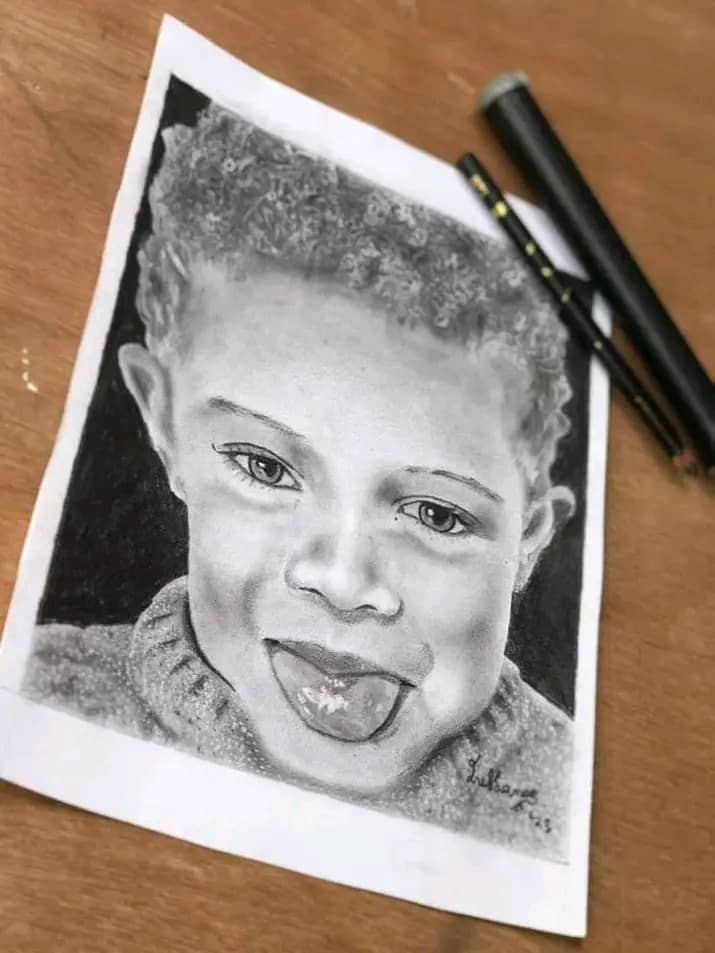
- Commissions: Take on custom work (portraits, murals, landscapes). Charge a non-refundable deposit upfront (usually 50%) and provide a clear contract outlining scope, timeline, and revision limits.
2. Diversifying with Reproductions & Products
This is how you turn a single piece of art into an infinite source of passive income.
- Prints and Giclées: Offer high-quality, archival reproductions of your most popular pieces. You can sell these as limited editions (higher price, collectable) or open editions (lower price, wider appeal).
- Print-on-Demand (POD) Merch: Use services like Printful or Redbubble to put your art on everyday items:
- Apparel: T-shirts, hoodies.
- Home Goods: Mugs, phone cases, notebooks, tote bags.
- Licensing: While complex, you can license your art to companies for use on their products (e.g., greeting cards, bedding).
- Digital Products: Sell digital assets if your medium allows:
- Brushes/Palettes: If you are a digital artist, sell custom Photoshop or Procreate brushes.
- Stock Illustrations: Upload illustrations, patterns, or vector art to stock sites.
3. Monetizing Your Skills and Expertise (Services)
Your knowledge of art and technique is valuable and marketable.
- Teaching Workshops and Classes: Offer in-person or online workshops on your specific medium or technique (e.g., “Intro to Watercolor,” “Figure Drawing Basics”). This can be a steady income source.
- Online Courses (Passive Education): Create a pre-recorded, comprehensive course (e.g., on Skillshare, Udemy, or your own platform). This generates income while you sleep.
- Consulting/Critiques: Charge fellow artists for portfolio reviews, marketing advice, or detailed critiques of their work.
- Graphic Design/Illustration Work: Freelance your skills for commercial projects (book covers, logos, packaging design) using platforms like Upwork or Behance.
- Content Creation/Patronage:
- Patreon/Subscriptions: Offer exclusive, behind-the-scenes content, early access to new pieces, or monthly art prints to subscribers for a recurring fee.
- YouTube/TikTok: Share time-lapses, tutorials, and studio vlogs. Once your audience is large enough, monetize through ad revenue and affiliate links (for supplies).
✨ Crucial Marketing and Business Steps
- Build an Excellent Website: This is your primary portfolio and store. High-quality, consistent photos of your work are non-negotiable.
- Master Social Media: Platforms like Instagram and TikTok are vital for artists. Show your process (behind-the-scenes videos) more than just the finished product. Tell the story behind the art.
- Build an Email List: Your email list is your most valuable marketing tool. Use it to announce new collections, show pre-sale opportunities, and share personal stories.
- Pricing Strategy: Base your prices on:
- Materials Cost: How much did the canvas, paint, frame, etc., cost?
- Time: How many hours did you spend?
- Market Rate: What are artists with a similar resume and style charging?
- A common formula for emerging artists is: $[(text{Length} + text{Width}) times text{Rate per Square Inch}] + text{Materials} text{ Cost}$.
To help me give you more focused advice, could you tell me what medium you work in (e.g., painting, digital art, sculpture)?